

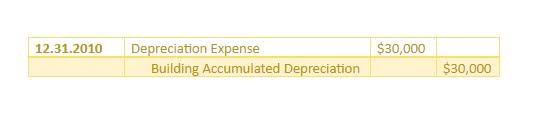
In NPV calculations, incorporate https://pawainitiative.org/cash-flow-table-definition-excel-example-template/ the tax shield by discounting the tax-adjusted cash flows at the appropriate cost of capital. Company XYZ purchased a piece of machinery for $100,000, which has a useful life of 10 years. Using the straight-line depreciation method, the annual depreciation expense would be $10,000.
How to Calculate Adjusted Present Value (APV)
Corporations can use various depreciation methods, such as double declining balance and sum-of-years-digits, to lower taxes in the early years. In the example of XYZ Corporation, the cost of debt is 6% and the cost of equity is 12%. Ultimately, the key to calculating a tax shield is to understand the underlying concepts and to have access to the necessary financial data. The first step is to identify the type of tax shield you’re dealing with, which can be either an interest tax shield or a depreciation tax shield.

Navigating Crypto Frontiers: Understanding Market Capitalization as the North Star
The ability to deduct NOLs is governed by specific rules regarding carryback and carryforward periods. All of these sources provide the deductible amount necessary to execute the tax shield formula. For an individual taxpayer, the rate corresponds to the top bracket their income reaches, such as 24% or 32%. The correct application of the marginal rate ensures the calculated shield value accurately measures the economic benefit. The equation proposed by Fernández is valid for perpetuities and for companies with any pattern of growth. The problem is how to calculate the present value of the net increases of debt, which requires knowing the appropriate discount rate to apply to the expected increase of debt.
Company
For example, it applies it to debt of one-year maturity that is perpetually rolled-over. Fernández systematizes the field and identifies the right case or situation when each of the solutions offered by other authors should be used. The PV of the interest tax shield can be calculated by discounting the annual tax cash flow savings at the pre-tax cost of debt, which we are assuming to be 10% in our example. From the perspective of an investor, WACC is pivotal in estimating the return on investment.

Tax code requires the company to depreciate the plant over 5 years with $10 million salvage value. UFCF is capital structure-neutral, so it is not affected by the company’s Debt vs. Equity mix or the specific terms or interest rates on its capital. The booked Depreciation Tax shield is under the Straight Line method as per the company act. The net benefit of accelerated depreciation when we compare to the straight-line method is illustrated in the table below. It is the method companies use to allocate the cost of an asset, which may be machinery, building, etc., throughout its useful life. This is done because every asset is subject to a fall in value during usage due to continuous wear and tear.
In business valuation, it is important to determine the beta factors professionally, taking into account the certainty of the tax advantage of debt financing. A distinction must be made between the cash flow effect and the risk effect in order to determine the value of the tax shield. Capital investments refer to the allocation of funds towards long-term assets or projects that are expected to generate income or appreciate in value over time. These investments play a vital role in driving economic growth and creating wealth for individuals, businesses, and even governments. By understanding the concept of tax shield and its implications, individuals and businesses can make informed financial decisions and optimize their tax positions.
Examples of Tax Shield Formula
- For instance, a company with a 10% cost of debt and a 25% tax rate ends up with an after-tax cost of debt of just 7.5%.
- This works in the opposite way to dividend payments, which are not tax-deductible.
- A tax shield is important because it can save a company significant amounts of money.
- The interest tax shield is positive when the EBIT is greater than the payment of interest.
- To calculate a tax shield, you need to know the value of your tax-deductible expenses and your own individual tax rate.
This formula allows businesses to quantify tax savings due to asset depreciation, aiding in better financial planning and decision-making. The traditional method is more suitable for projects that have a stable capital structure and a constant interest rate. The APV method is more flexible and can accommodate changes in tax shield formula the financing and the interest rate over time.
- With the SmartZebra cost of capital module, the WACC can be calculated professionally and efficiently.
- By addressing these FAQs, users can gain a better understanding of tax shields, how to utilize the calculator effectively, and the broader context of financial planning for tax optimization.
- Over time, effective use of tax shields can have a meaningful impact on overall wealth.
- It can affect the value of a levered firm or organization compared to an unlevered firm or organization.
- Let us consider an example of a company XYZ Ltd, which is in the business of manufacturing synthetic rubber.
Through discounted cash flow analysis, the company calculates the project’s net present value and determines whether it is financially viable. It refers to the potential tax savings that a company can enjoy by utilizing certain tax deductions and credits. This section aims to provide a comprehensive understanding of Tax shield and its calculation methods.